I was stunned in 2006 when Professor Barney told our MBA class (Fisher School, Ohio State) that philanthropy was a substantial emerging industry. How could giving be “an industry”? Now I see statistics that say Philanthropy is 6% of our GDP (was 3%) and 13% of American workers are employed in non-profits.
My wife, Alice, and I had been dedicating 25% of our company’s profits since 1997 to our foundation, then called “Free Hand, Inc” and were involved in direct service to the poor. The following year, 2007, on selling our business we committed all our newfound wealth to a re-titled foundation, “The Business of Good”. www.thebusinessofgood.org
We also at that time pivoted the foundation’s goal to “serving those who serve the poor” versus direct service and set our niche in the years since by identifying coachable non-profit executives with collaborate spirits. We then set out to bring business disciplines and money to these partners in a bell-shaped curve model over five years to help them develop scalable opportunities for sustaining and building their mission.
Through ups and downs with dozens of projects since then, we are succeeding in three areas: first generation college student mentoring, micro-lending and social enterprise incubation. We have failed miserably and frequently with helping develop an alternative to predatory lending and a few other projects. In all cases, we seek to support economic inclusion and aid long term solutions to poverty (education, employment and entrepreneurship).
So, what is engaged philanthropy?
I’m currently reading “The Almanac of American Philanthropy” (Zinsmeister) which provides two points of definition:
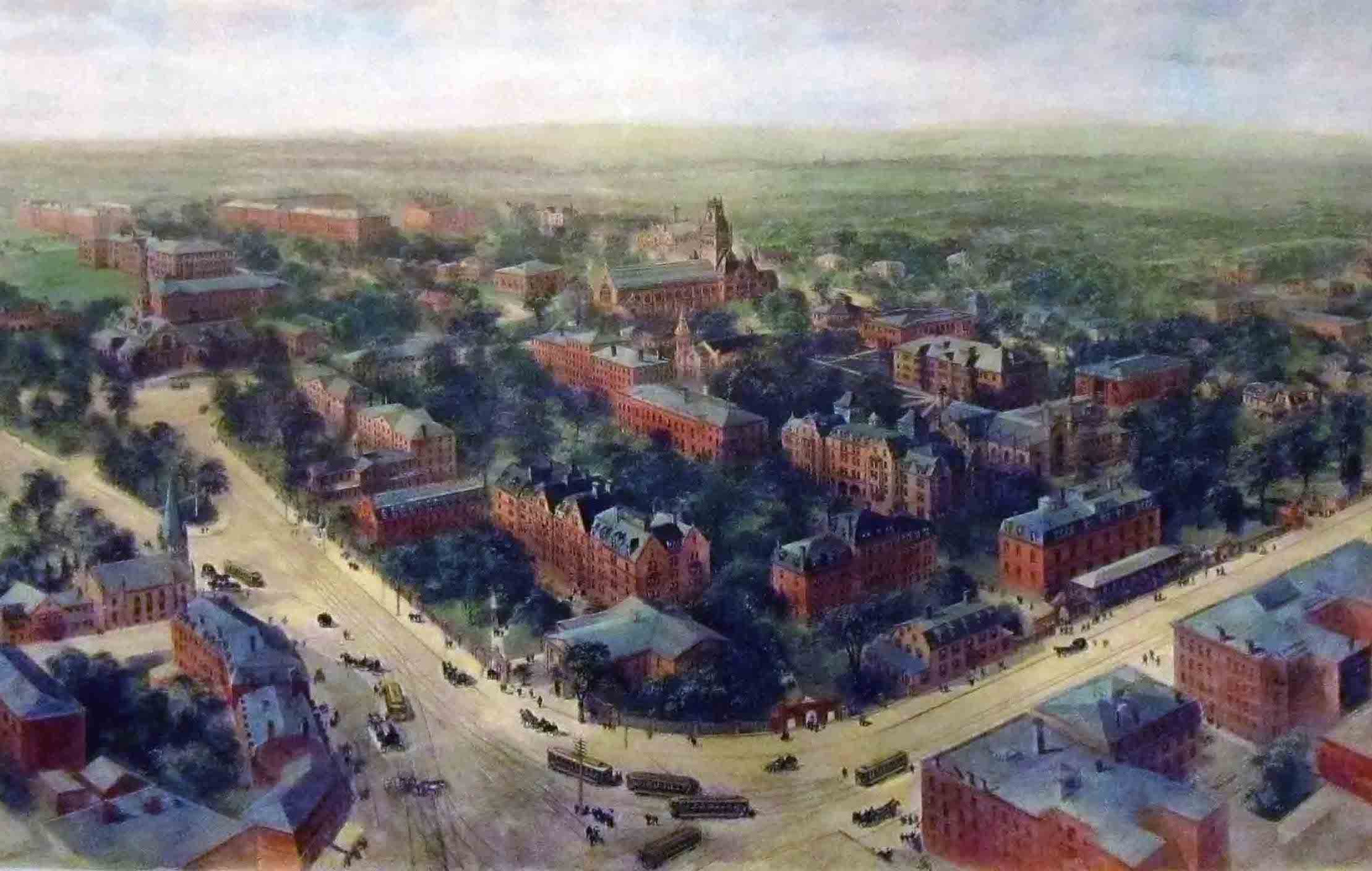
- Philanthropy in America is at least as old as The New College, which was established in 1636 by the Massachusetts Bay Colony. A few years later it was named after a young minister who donated his library and half his estate to the college. His name: John Harvard.
- The primary thesis behind Zinsmeister’s ambitious compendium of philanthropy is that philanthropy plays a huge role in democracy since many intractable problems cannot be overcome solely through government and politics.
This is where “engaged philanthropy” becomes important as a term. The examples are endless and fascinating to me since they span our national history, and 150 years prior to the formation of the United States of America. Among many compelling stories told here are of the private navy that was quickly formed to aid the US Navy to wage the War of 1812 (England’s Navy had 1,000 ships to our 19 at the outset) and the formation of the New York (American) Anti-Slavery Society by the Tappan Brothers in 1833, fully 30 years before the Emancipation Proclamation. I’m guessing both were helpful.
I highly recommend the almanac (and its companion, quick-read publication called, “What Comes Next”) to anyone even interested in the topic.
The adjective “engaged”, applied to our work, is a bit redundant since any form of philanthropy is highly individualized and personal. But we retain the term for our work since the writing of our first check 20 years ago came with the helping hand of discipline. As we aligned with an international mission organization, we were so concerned that our money would be spent wisely that we told the CEO we needed an agreement that our company’s bookkeeper would work Friday afternoons at the organization’s office for as long as it took to sort out the financial mess they were in. Why put cannons on a sinking ship?
But just as the Indians were proverbially entertained by the thought that Columbus discovered America, I’m watchful about thinking I may have discovered something in engaged philanthropy. It’s little more than a new term for a centuries old concept.

Peace,
Tim McCarthy