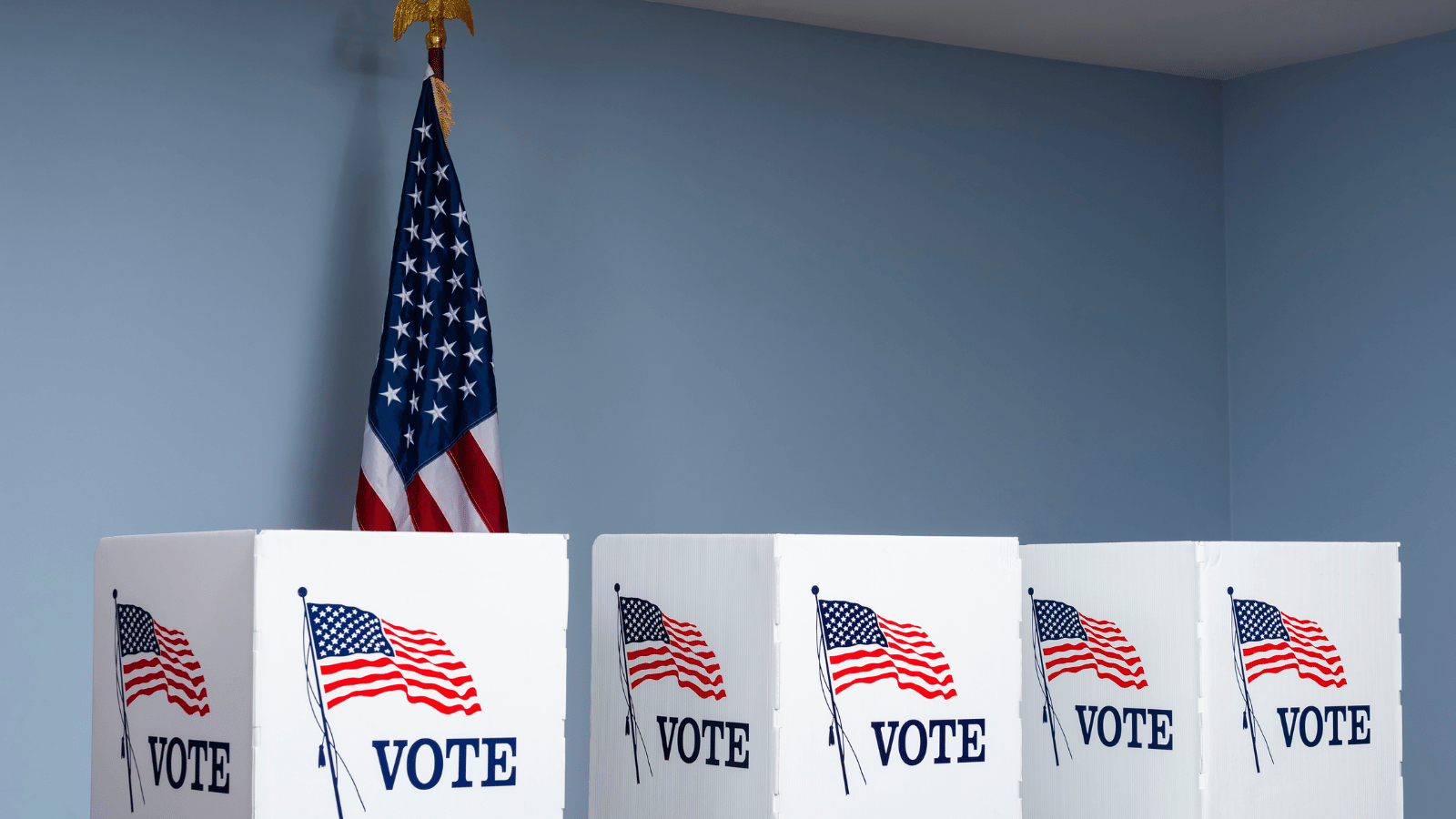
This morning I sat in a training room preparing for my tenth year as a precinct election official — my fifteenth election day, give or take. Somewhere between the review of provisional ballot procedures and the reminder that missing this training means sitting out the cycle, a question surfaced that I first asked myself a decade ago.
When voter fraud became a drumbeat in American political life, I didn’t want to argue about it from a distance. My mother had worked the polls and carried that civic duty like a quiet badge of honor. So, I signed up. I wanted to see what happened inside a polling place.
Here is what I’ve seen. Last year, our county processed roughly 30,000 votes. Nine were mishandled — by voters themselves or by one of us workers. Nine out of thirty thousand. Those nine mistakes were scrutinized, documented, and corrected. We are retrained every cycle without exception. The machinery of electoral integrity, at least where I stand, is serious, humble, and relentlessly self-correcting.
And yet the drumbeat continues.
My mind wandered during today’s training — as minds do — to other things that share this peculiar quality. Things that are genuinely rare but made to feel as common as the morning news.
Sociologists have a name for this. A moral panic is what happens when a society reacts to a perceived threat wildly out of proportion to its actual prevalence. The threat becomes a symbol — of deeper fears, of cultural anxieties, of things we cannot quite name. And once a symbol takes hold, facts have a hard time dislodging it.
We have been here before, many times. In the 1980s, a wave of alarm swept the country about Satanic ritual abuse in daycare centers. Families were destroyed, people were imprisoned, careers ended — based on accusations that investigation after investigation failed to substantiate. Another that comes to mind was the similarly destructive “red scare”, spearheaded by my namesake, Joe McCarthy, from 1947 to 1954. The fear was real. The epidemics were not.
Shark attacks kill roughly ten people a year worldwide. Ten. And yet the image of dark water and a dorsal fin produce primal dread in millions of people who avoid going in for a swim. We mistake the vividness of a story for its frequency. Psychologists call this the availability heuristic — if something comes easily to mind, we assume it must be common. A single dramatic news story can feel like an epidemic by Tuesday.
The same pattern runs through several of today’s most charged debates. Illness caused by vaccines. Violent felonies committed by immigrants. Trans athletes dominating high school sports. Each of these things has occurred. Each is also, by any honest accounting of the data, rare. But rare things — when vivid and emotionally charged — can be made to feel like a wave that is coming for you personally.
Here is where I want to be careful, and honest.
The people who feel these fears are not stupid. Fear doesn’t require a high rate of occurrence — it requires a powerful image and the suggestion that you, or someone you love, could be next. That is a very human response, but I have no interest in condescending to it.
I’ll speak for myself. I vote by absentee ballot so I can work the polls. I swim in the ocean. I take every approved vaccine available. I have many tax-paying, law-abiding immigrant friends awaiting citizenship, and I still love watching high school sports. I have flown commercially over a million miles, parachuted from an airplane, and my friend Christo — a professional paraglider — has invited me to glide off Torrey Pines (CA) with him soon. Each of these things is considered risky by someone. Each is documentable as safe in well over 99% of cases.
Fear is useful to politicians who need an enemy. It is useful to media organizations that need an audience. It is useful to anyone whose power depends on your feeling that something precious is under threat. Moral panics don’t sustain themselves — they are tended. And the tending, more often than not, is deliberate.
This is not a sin exclusive to one party or one ideology. The left has had its own panic, its own vivid symbols inflated beyond their statistical weight. What I’m describing is a human vulnerability, not a partisan one. But intellectual honesty requires naming it wherever it appears — including in the arguments we find most sympathetic.
I finished my training this morning and drove home thinking about my mother, and about the thirty thousand votes, and about the nine.
Nine out of thirty thousand is not a system in crisis. It is a system working imperfectly and conscientiously — the way most human systems actually work when you get close enough to see them clearly.
That is what I found, standing inside the thing I was told to fear.
I wonder how many other things might look different from the inside.
I think I’ll book that flight to California.

Peace,
Tim McCarthy